Ningbo University and GSCAEP Co-Host the Academic Conference “Quantum Physics 2025: Energy, Computing, and Measurement”
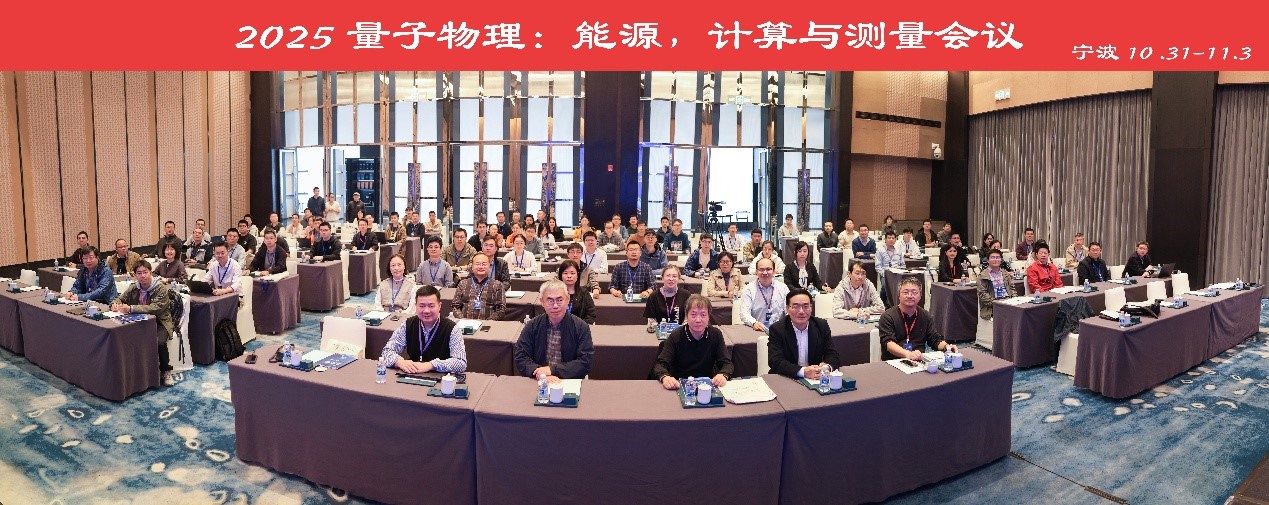
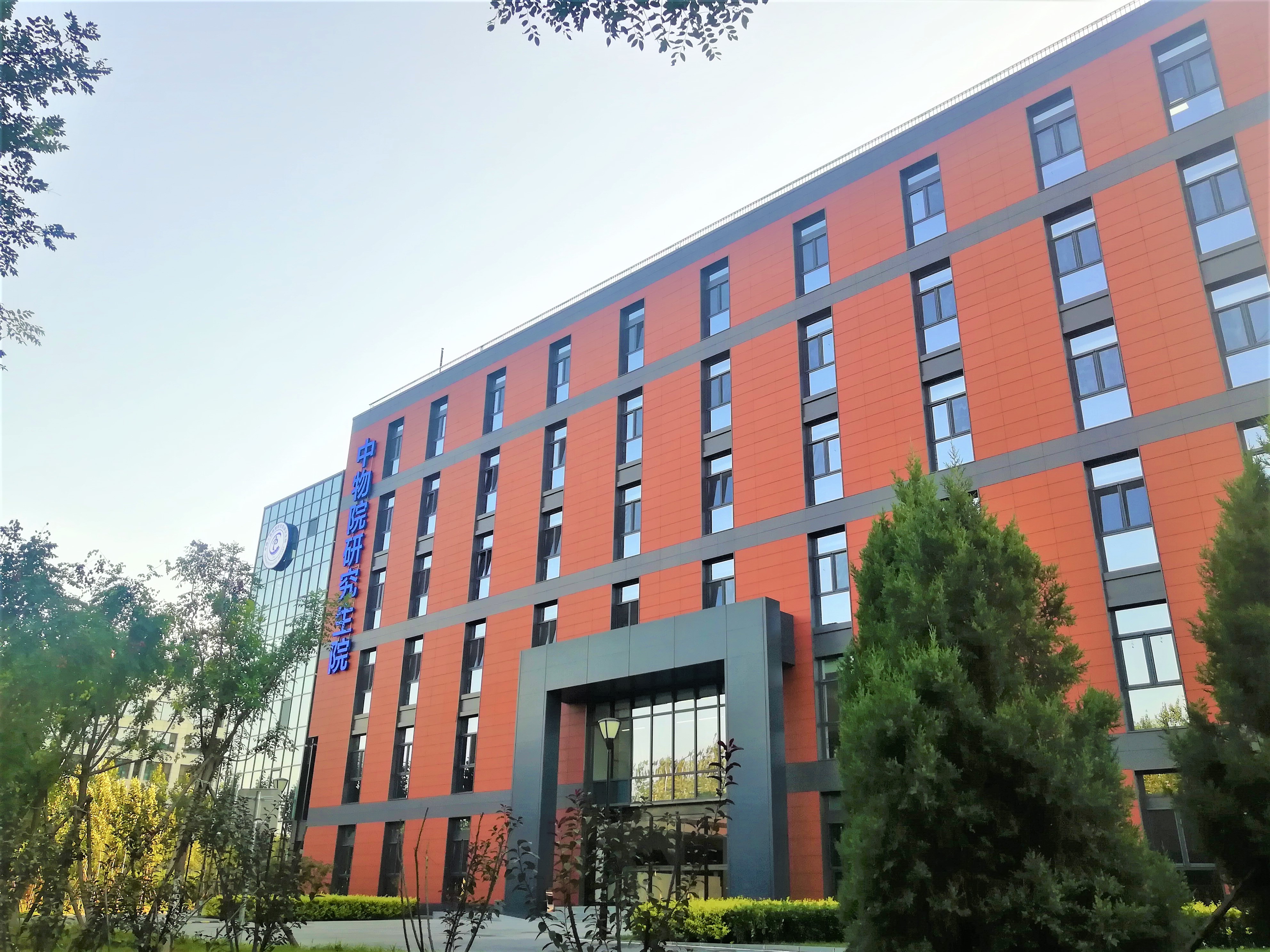
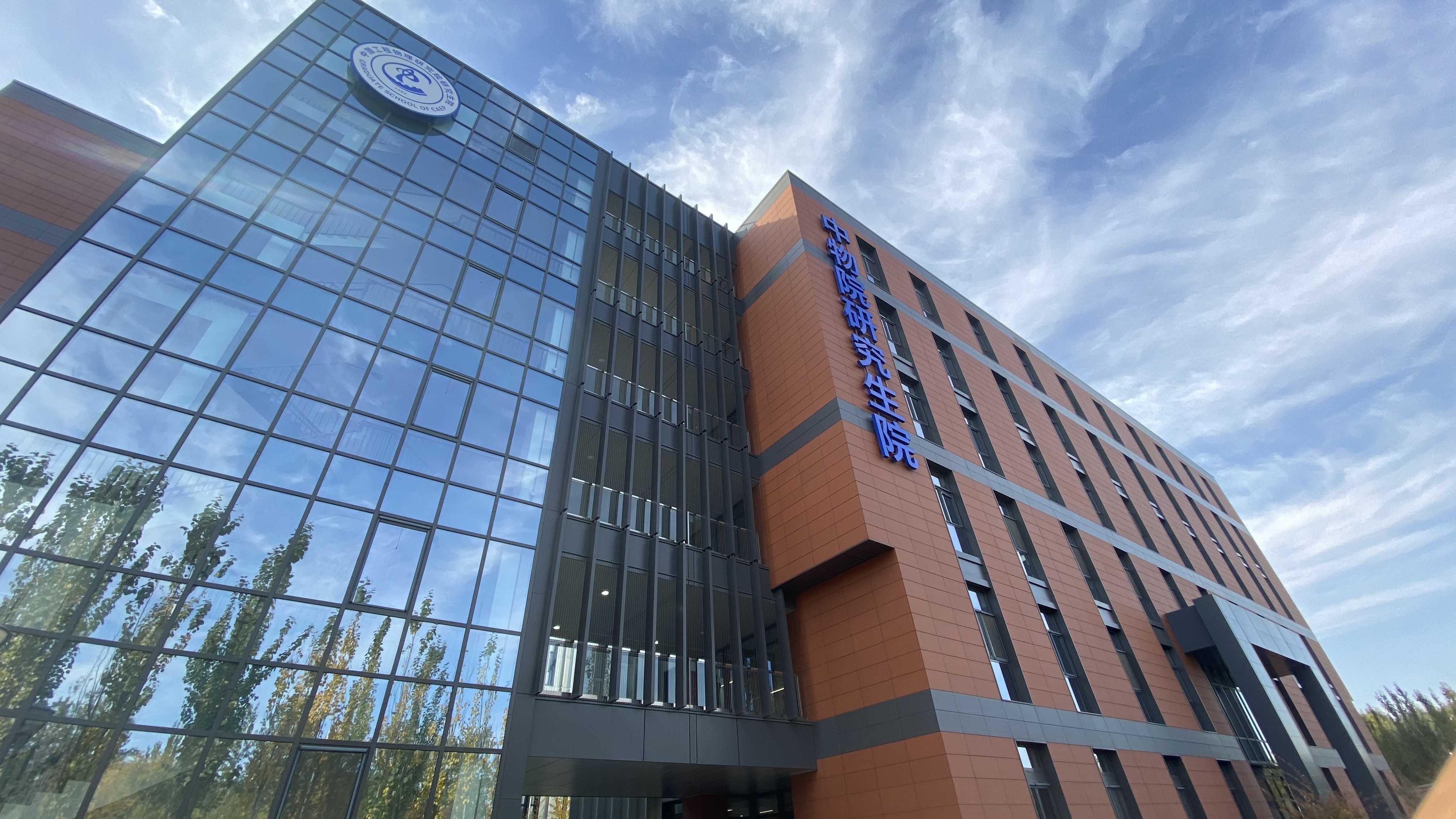
From October 31 to November 3, the School of Physics and Technology and the Institute of Fundamental Physics and Quantum Technology of Ningbo University, together with the Graduate School of China Academy of Engineering Physics (GSCAEP), jointly hosted the academic conference “Quantum Physics 2025: Energy, Computing, and Measurement” in Ningbo. The conference attracted approximately 120 experts, scholars, postdoctoral researchers, and graduate students from nearly sixty universities and research institutes, including Peking University, Tsinghua University, the University of Science and Technology of China, Huazhong University of Science and Technology, Westlake University, Ningbo Eastern Institute of Technology, the Beijing Institute of Computational Science, and the Institute of Theoretical Physics of the Chinese Academy of Sciences.
At the opening ceremony, Professor Ronggen Cai, President of Ningbo University and Academician of the Chinese Academy of Sciences, delivered a welcome address. He first extended warm greetings to all participants and then introduced Ningbo University, the School of Physics and Technology, and the newly established Institute of Fundamental Physics and Quantum Technology. Following this, Professor Changpu Sun, Founding Dean of GSCAEP and Academician of the Chinese Academy of Sciences, reviewed the history of the conference and delivered the first plenary talk titled “A Scientific Interpretation of the 2025 Nobel Prize in Physics.”
Over the two-and-a-half-day meeting, participants focused on critical advances in three major directions of quantum physics: energy, computing, and measurement. More than ten young scholars from leading universities and research institutes across China presented their latest research findings, covering a wide range of frontier topics including quantum artificial intelligence, quantum information, quantum sensing, and quantum thermodynamics. Through plenary presentations and in-depth discussions, the conference fostered rich academic exchange and a vibrant atmosphere.
This conference provided a high-level platform for academic collaboration and scientific dialogue within the Chinese quantum physics community, effectively promoting the exchange, integration, and advancement of cutting-edge knowledge in the field.